Action Haremlit
Where the punches land, the firefights end, and the women aren't ornaments — they're combatants with reasons.
What is Action Haremlit?
Action haremlit is the masculine, character-forward end of the genre. You get a protagonist who actually knows what he's doing, and violence that's written by someone who's thought about how it works, and women who have their own reasons for being in the fight — usually reasons that predate the protagonist, which matters more than you'd think. The register sits at the intersection of military thriller, fantasy adventure, and haremlit — and at its best it reads like Lee Child writing fantasy.
What separates action haremlit from the lower-effort end of the genre is craft. The fight scenes have to actually work as fight scenes — geography, tactics, ammunition counts, the specific way trained people move under stress. The women have to have voices. The protagonist has to be allowed to lose things he cares about. Readers who pick up action haremlit have usually read enough fiction to spot when an author is faking the violence or faking the relationships — and they leave when they do.
Why It Works
The audience is loyal because the genre's good-to-bad ratio is wide. Readers who find an author they trust tend to go through the whole backlist in a couple of weeks, though the same readers will quietly put a book down in chapter two if the fights feel faked. The premium tier is small and well-rewarded.
Where to Start in Alex Savage's Action Haremlit
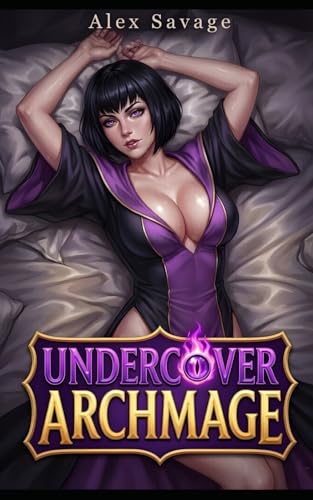
Undercover Archmage
The students think he's a master Battle Mage. He's really just a master of the 9mm.
Read More →Worth a Look
-
Lust on the Rocks
The reference point for craft-forward action haremlit.
-
Path of the Berserker
Combat haremlit with strong tactical instincts.
-
Various
Action haremlit with character depth.
-
Brittle Souls
Action-leaning haremlit with institutional setting.